Real-world asset (RWA) tokenization can sound simpler than it is. A headline may say that a Treasury bill is “on-chain,” while the investor is actually buying a token that represents a fund interest, a claim against an issuer, or an entitlement administered by a custodian. Those are not interchangeable. Before using an RWA platform, a beginner needs to identify the underlying asset, the legal right attached to the token, who keeps the asset, how redemption works, and what restrictions apply to transfers.
This guide uses BlackRock’s BUIDL fund as a concrete example, not as an investment recommendation. The information was checked on September 15, 2026. Product terms, eligible jurisdictions, investor qualification rules, fees, supported wallets, and transfer policies can change, so the current offering documents always take priority.
First, what does RWA tokenization mean?
A real-world asset is something that exists outside a blockchain, such as a government security, a corporate bond, real estate, a fund share, or a loan. Tokenization is the process of creating a digital token that records or represents an economic interest connected to that asset on a distributed ledger. The ledger can make ownership records, transfers, and programmed rules easier to coordinate, but it does not remove the need for contracts, custody, valuation, compliance, or dispute resolution.
Two concepts are easy to confuse:
- The reference asset: the Treasury bill, cash, repurchase agreement, property, or other asset that creates the economic exposure.
- The token: the blockchain-based record whose legal and economic rights depend on the issuer, fund documents, custody arrangement, and applicable law.
A token can therefore move quickly while the underlying asset still settles through conventional financial infrastructure. Blockchain visibility is not the same thing as a guarantee that the reserve exists, that the token holder owns it directly, or that redemption is always immediate.
Why Treasury bills are central to the RWA conversation
U.S. Treasury bills, often called T-bills, are short-term government securities. According to TreasuryDirect’s official overview, bills are issued electronically with terms ranging from four to 52 weeks. They can be sold at a discount or at face value, and the holder receives the face value at maturity. The difference between the purchase price and face value represents the interest for a bill. TreasuryDirect also states a $100 minimum purchase for its direct program.
Those features make short-dated government debt a practical reference asset for tokenization: it is standardized, widely understood, and already exists in electronic form. But a tokenized fund holding T-bills is still not identical to buying an individual bill directly. A fund may hold a portfolio of bills, cash, and other instruments; it may calculate income differently; and its token may be subject to eligibility, transfer, custody, and redemption rules.
What BlackRock BUIDL demonstrates
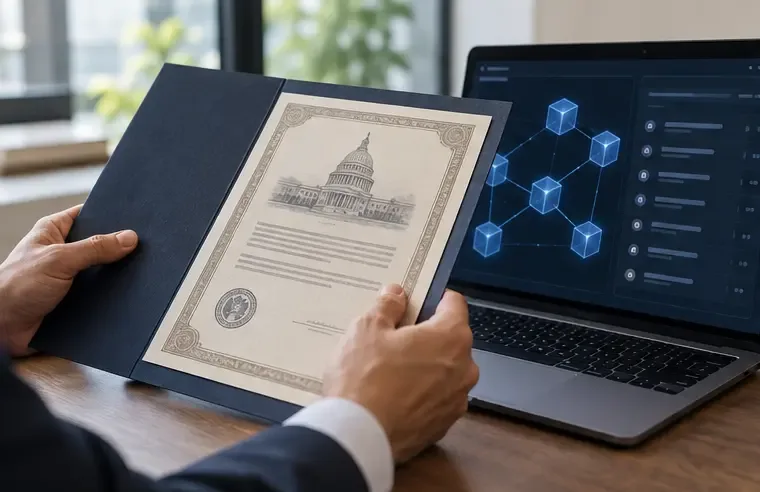
BlackRock USD Institutional Digital Liquidity Fund, commonly known as BUIDL, was launched with Securitize on the Ethereum network in March 2024. In its launch announcement, Securitize describes BUIDL as a fund investing in cash, U.S. Treasury bills, and repurchase agreements. The announcement says the fund seeks a stable value of $1 per token, accrues dividends daily, distributes those dividends to investor wallets as new tokens each month, and permits transfers between other pre-approved investors subject to the product’s rules.
The important lesson is structural. BUIDL adds a blockchain representation and programmable transfer layer to a regulated fund framework; it does not turn a public crypto token into an unrestricted retail T-bill. Securitize’s BUIDL page is the relevant starting point for the current access route, while the fund’s offering materials determine the actual rights and limitations.
Before you begin: the five questions that matter

- What exactly do I own? Is it a fund share, a direct security, a contractual claim, or a token issued by a third party holding the asset?
- Who is responsible? Identify the fund manager, issuer, transfer agent, custodian, administrator, and any platform that controls wallet permissions.
- How do I enter and exit? Check subscription, redemption, settlement time, minimums, permitted currencies, fees, and whether a secondary market is actually available to you.
- Who can use it? Confirm your country, investor category, identity checks, tax position, and any transfer restrictions before sending funds.
- What happens if something fails? Read the procedure for a frozen wallet, smart-contract incident, custodian insolvency, lost key, chain outage, valuation dispute, or delayed redemption.
A beginner’s eight-step workflow
1. Define the exposure you want
Decide whether your goal is short-term dollar exposure, government-bill yield, collateral for trading, access to a fund outside normal business hours, or simply learning how tokenized finance works. These goals lead to different products. If you only want a conventional Treasury bill, compare the direct Treasury route, a bank or broker, and a money-market fund before assuming tokenization is necessary.
2. Trace the asset-to-token chain
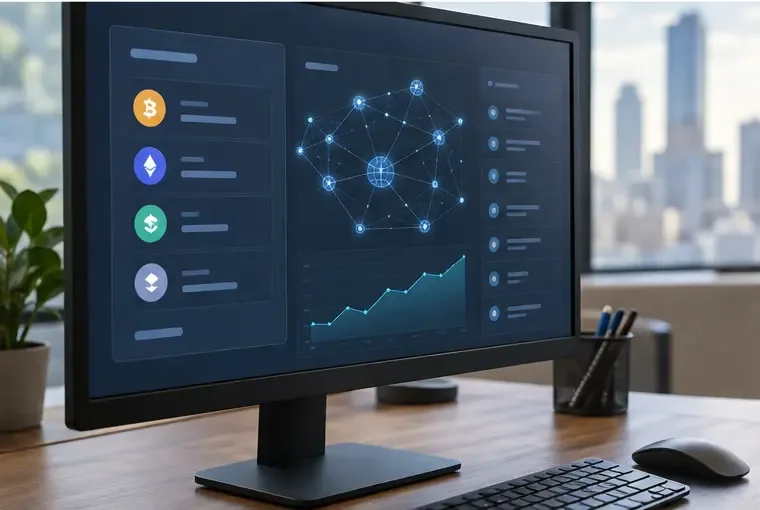
Write the structure in plain language: “The fund holds X; the administrator records Y; the token represents Z; redemptions are processed by Q.” If the platform cannot explain this without marketing language, stop. A block explorer may show token movements, but it normally cannot prove the full legal ownership chain, reserve quality, or the terms of redemption by itself.
3. Read the legal documents, not only the dashboard
Find the prospectus, offering memorandum, subscription agreement, terms of use, privacy policy, and risk disclosures. Look for the governing law, the definition of a token holder, the master record of ownership, limits on transfers, and the parties that can freeze or reject a transaction. The key question is whether the token itself gives you a direct ownership interest or another form of claim.
The SEC’s January 2026 statement on tokenized securities highlights why this distinction matters: a crypto asset may or may not represent an ownership interest in, or contractual obligation of, the issuer of the underlying security. It also notes that a holder may face third-party risks that would not apply in the same way to a holder of the underlying security.
4. Complete eligibility and identity checks carefully
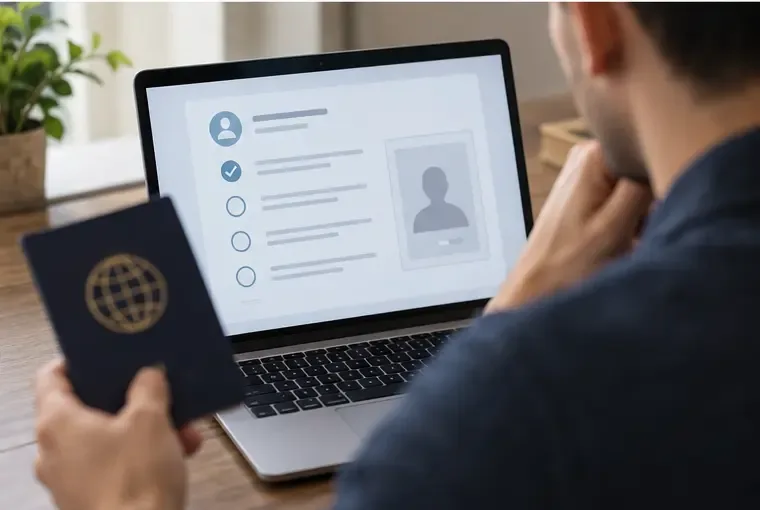
Use the official domain you reached from verified documentation. Check the URL, certificate, support address, and instructions before submitting identity documents or connecting a wallet. Never assume that a token symbol on a social-media post is the official product. Confirm whether the service accepts residents of your jurisdiction and whether your tax or reporting obligations differ from those for a conventional fund or security.
5. Verify custody, wallet control, and recovery
Determine whether you hold the token in a platform-controlled account, an institutionally managed wallet, or self-custody. Self-custody can reduce dependence on one account provider but moves key management and transaction approval to you. Platform custody may provide operational support but creates counterparty and access risk. Ask whether a transfer can be paused, who can change smart-contract permissions, and how a mistaken address or lost key is handled.
6. Check the network and transfer restrictions
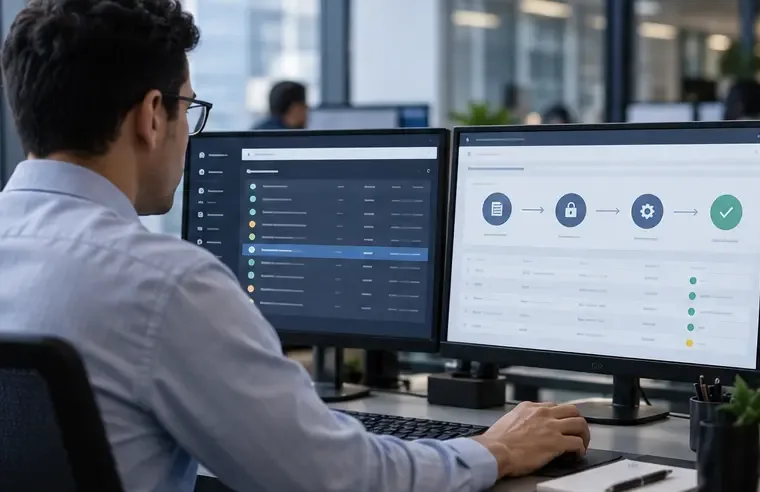
Confirm the exact chain, token contract address, supported wallet format, gas requirements, and whether the recipient must be pre-approved. Do not send a token across a bridge or to an exchange merely because the interface accepts the address. A successful on-chain transfer can still fail to create a legally recognized holding if the recipient or transfer route is not permitted.
Also check whether “24/7” refers to blockchain transfer availability or to full creation and redemption of fund shares. Those are different. A token may move between approved wallets around the clock while subscriptions, redemptions, valuation, or compliance review follow separate operating windows.
7. Evaluate yield, liquidity, and composability separately

Yield is not the same as total return, and a stable target price is not a promise that every risk disappears. Compare the stated income source, fees, distribution method, tax treatment, settlement timing, and redemption conditions. Then ask how much liquidity you realistically need. A token can appear liquid on a dashboard but have limited eligible buyers or no reliable secondary market during stress.
“Composability” means using one token inside another programmable financial application, such as collateral in a lending or trading system. This can make on-chain finance more efficient, but it can also connect the RWA token to smart-contract, oracle, leverage, liquidation, and counterparty risks. The IOSCO report on tokenization of financial assets examines implications for market integrity and investor protection. The BIS and CPMI discussion of tokenization likewise emphasizes that governance, legal frameworks, credit and liquidity risk, custody, and operational risk still require attention.
8. Start small and document the result
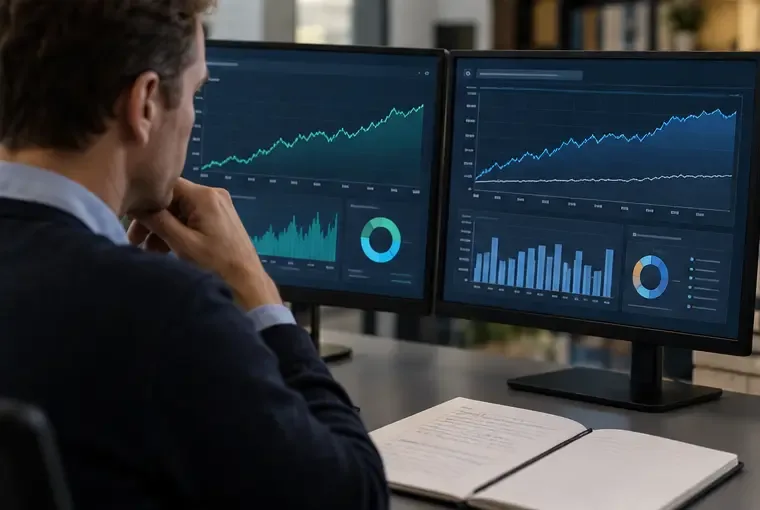
If the product is appropriate for you after the checks, begin with an amount you can afford to keep unavailable during a delay. Record the product name, contract address, documents, fee schedule, wallet used, transaction hash, and the date of every subscription or redemption. Do not borrow to test an unfamiliar RWA protocol, and do not treat a yield display as proof of a risk-free return.
Common mistakes to avoid
- Confusing a token with the underlying Treasury bill: read the legal description of the claim.
- Assuming a stable $1 target is a bank deposit: check the fund structure, redemption rules, and protections that actually apply.
- Using an unofficial contract address: copy it only from the issuer or authorized platform’s documentation, then verify the network.
- Equating a public blockchain with unrestricted access: regulated securities can remain permissioned even when settlement uses a public chain.
- Ignoring currency and tax exposure: a dollar-denominated product can still create conversion, withholding, reporting, and local tax issues.
- Putting an RWA token straight into DeFi: understand liquidation, oracle, bridge, and protocol risks before adding leverage or collateral layers.
- Comparing headline yield only: include management fees, platform fees, gas, spreads, lockups, failed transactions, and the cost of delayed access to cash.
How to check whether your decision is sound
You should be able to answer these questions without opening a marketing page:
- What asset or portfolio creates the return?
- What legal right does my token represent?
- Who maintains the authoritative ownership record?
- Who holds the underlying assets and what happens if that party fails?
- Can I redeem, to whom, in what currency, at what cost, and on what timetable?
- Which transfers are restricted, and who can freeze or reject them?
- What additional risk appears if I use the token as collateral or connect it to another protocol?
- How does this compare with a conventional T-bill, money-market fund, or cash account for my actual goal?
If you cannot answer one of these questions, the correct next step is more documentation, not a larger deposit. RWA tokenization can improve recordkeeping, programmability, settlement coordination, and access to certain financial workflows. Its value depends on the legal wrapper and operating institutions as much as on the blockchain. For a beginner, the safest framework is to judge the token first as a financial claim, then as a technology product.
Sources and scope note
This article uses primary or institutional sources checked on September 15, 2026: Securitize’s BUIDL launch announcement, TreasuryDirect’s Treasury bill information, the SEC statement on tokenized securities, the IOSCO tokenization report, and the BIS/CPMI report summary. This is educational content, not legal, tax, or investment advice.